Writing Workshops
with Kathleen A. Erickson
Every Book Begins With Something Worth Saying.
So say it!
Maybe it’s a story that has been living in your imagination; A memory you don’t want forgotten, even a question you can’t stop asking. Sometimes, an experience that changed you became an idea you believed might make someone stop and think. Whatever it is, writing is how you give it a voice. The challenge is taking that first idea and discovering where it can go—
quit leaving it in your head!
Youth & Adult Writers
Ages 8-105
Because there is no age limit on
becoming a writer.
Whether it begins with an imagined adventure, a true experience, a question, a memory, or simply an idea that won’t leave you alone, there comes a time when you have to stop thinking about it and start writing it!
Kathleen’s youth and adult writing workshops aren’t about teaching participants to follow a formula or showing them the “right” way to write. Through storytelling, conversation, creative exercises, and hands-on writing, participants learn how to take the ideas already inside them and begin shaping those ideas into something uniquely their own; not a mimic of the teacher's style.
They’ll explore characters and real people, build fictional worlds and bring true ones to life, discover the problem or purpose at the heart of what they’re writing, and learn to keep asking that wonderfully simple question: "What happens next?"
Most importantly, they’ll exercise their mind's creativity and design capabilities. And they’ll leave having discovered that the words they were looking for were theirs all along.
"it's not about writing the way I write; it's about teaching them to write the way
they write."—Kathleen A. Erickson
Creating a Character - Fiction/Non-fiction
Your character needs to be more than a name on a page. Who are they when no one is looking? What makes them laugh, worry, get angry, take chances, or surprise us? Give them quirks. Give them flaws. Give them something worth fighting for. Create someone your reader wants to know—and won't easily forget.
What is it you really want to say?
Maybe you have a story to tell, something you’ve learned, an experience you’ve lived through, or an idea you believe others need to understand. Why does it matter? Who needs to hear it? And when your reader closes the book,
what do you want them to think about, understand—or perhaps see differently?
The BIG Problem
Fiction:
Something has to happen that changes everything. Maybe your character faces a problem they never expected, a mystery they can’t ignore, a challenge they don’t know how to overcome, or a quest that takes them somewhere they never imagined going. The obstacle gives your character a reason to act—and gives your reader a reason to keep turning the page.
Nonfiction:
Nonfiction has problems too. There may be a question that needs answering, an obstacle that had to be overcome, an injustice that needs examining, or an idea that deserves to be challenged. What is the problem at the heart of your book—and why should your reader care about it? This is often where the real reason for writing the book begins.
Building a World
Fiction:
Where does your story happen—and what makes that place worth exploring? It might be a mysterious kingdom, an ordinary school with an extraordinary secret, another planet, or the house next door. Setting is more than the place where your characters stand. It creates the world your reader steps into. What will they see, hear, feel—and perhaps even fear—while they're there?
Nonfiction:
Every true story, experience, or idea also happens somewhere.
Bring your reader into that world.
What did the place look like? What was happening around you? What details will help the reader understand the time, circumstances, culture, or environment surrounding your subject? Give them enough to do more than understand what happened—help them feel as though they were there.
What Happens Next?
Fiction:
A story begins somewhere, but what keeps us reading is wondering what happens next? One event leads to another. Characters make choices, those choices have consequences, and sometimes the story takes a turn even the writer didn’t expect. Rather than worrying about a formula, young writers learn to keep their story moving by asking one wonderfully simple question: “And then what happened?”
Nonfiction:
Nonfiction also needs somewhere to take the reader. An experience unfolds, an idea develops, a question leads to another question, or new information changes what we thought we understood.
What does your reader need to know next? Learning how one thought, event, or discovery naturally leads to another helps turn a collection of facts or memories into something the reader wants to follow from beginning to end.
Writing Their Story
Everyone comes into a writing workshop with something different.
An eight-year-old may arrive with a dragon living in her imagination. Someone else may have a story they’ve carried for fifty years. Another person may have an experience they want their grandchildren to remember, an idea they want others to consider, or simply the curiosity to discover what might happen when they put pen to paper.
They don't have to arrive knowing how to write it. That's what the workshop is for.
Spelling doesn't have to be perfect. Handwriting doesn't have to be beautiful. Nobody has to be the “best writer” in the room. And they certainly don't have to know how their story ends before they begin.
I give participants the pieces. Together, we begin putting the puzzle together—characters or real people, setting, purpose, problems, possibilities, and that all-important question: What happens next?
By the end of the workshop, they've done more than learn about writing. They've written. They've created. They've begun telling their story their way.
And whether they're eight or 105, this is the goal:
To help people discover that what they have to say is worth putting on paper.
Kathleen's workshops can be presented for youth, adults, or multigenerational groups in libraries, schools, community organizations, residential communities, and other settings. Each workshop brings participants into the creative process and gives them the opportunity to leave with something they created themselves.
You bring the people. I'll bring the pieces. Let's see what stories we can put together.
Great for:
Aspiring Writers & More!
Libraries & Writing Groups
Homeschool & Children Programs
55+ Communities
Clubs & Organizations
Workshops Can Be Customized
Not every group needs the same workshop.
A library writing group may want to explore
how to begin writing a book.
A 55+ community might prefer
Writing the Stories of Your Life, helping participants capture memories and experiences for themselves, their families, or future generations.
A community organization may want a workshop centered on storytelling.
A group of aspiring authors might want From Idea to Manuscript or an introduction to independent publishing; Kathleen can work with the host organization to create a workshop appropriate for its audience, available time, and goals.
Unlock the creativity in your community!
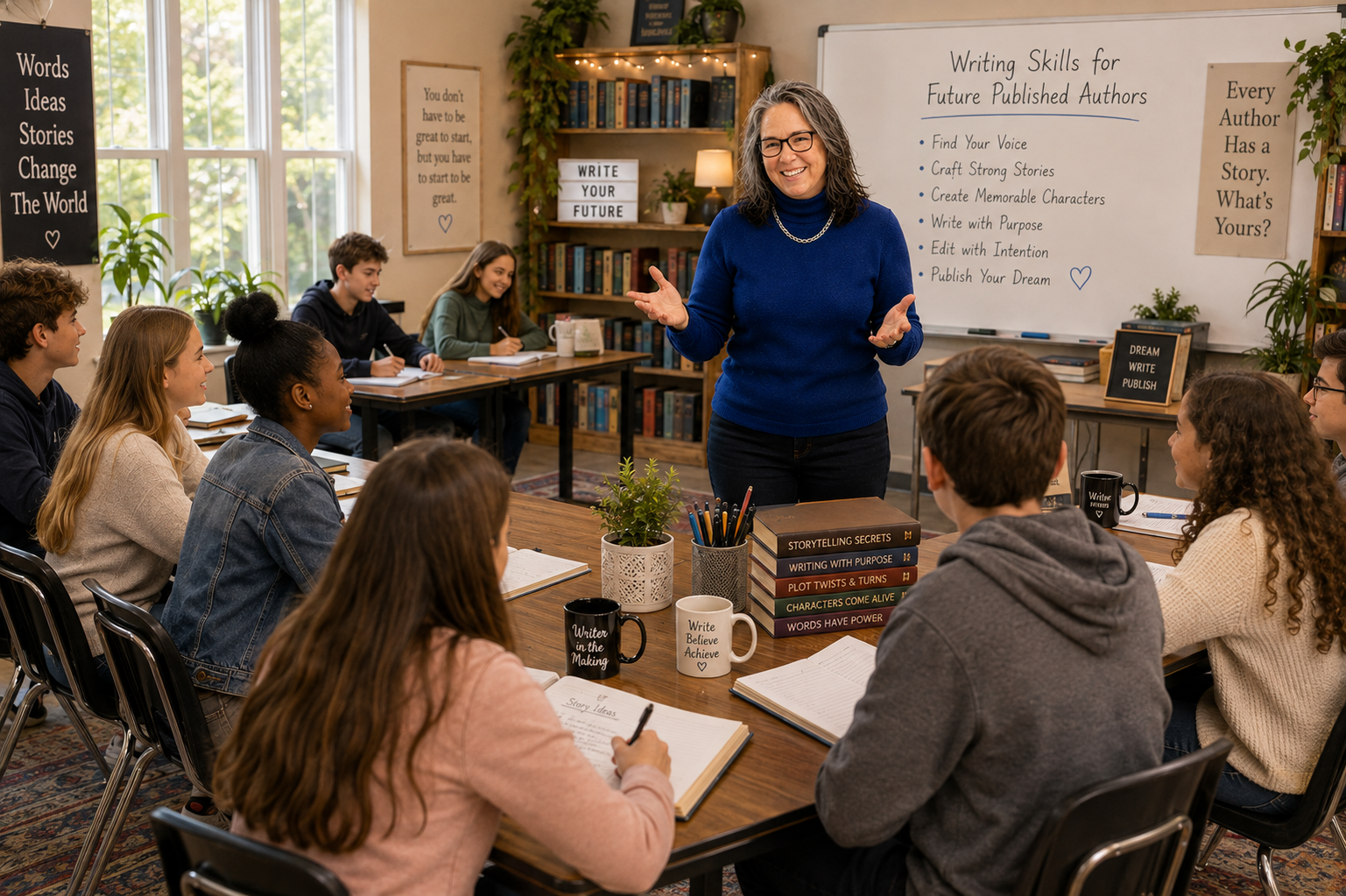
In Person
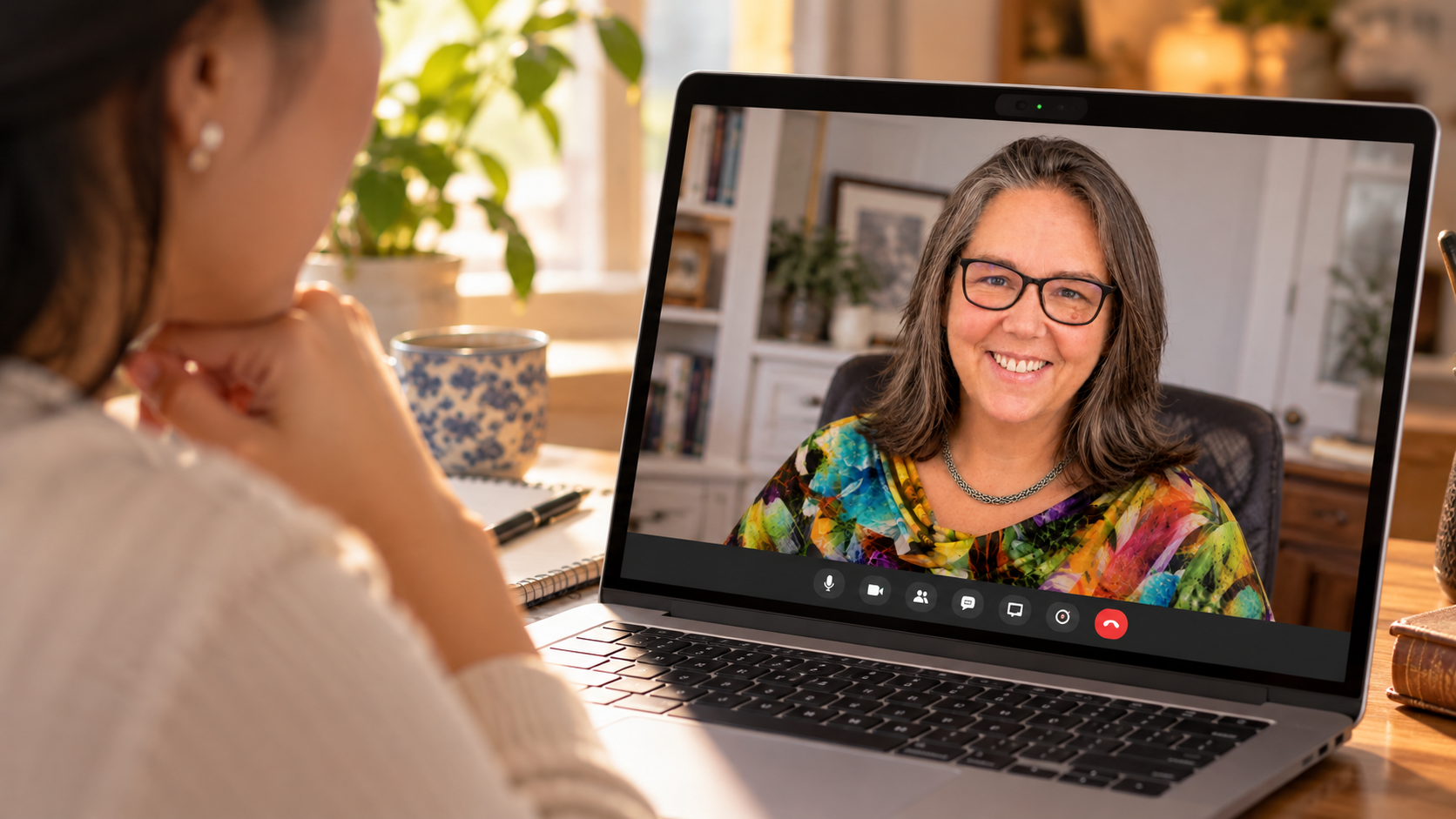
Live On Zoom
Both youth and adult workshops may be presented in person or virtually through Zoom, making programs available to groups regardless of location.
Workshops can be designed as a single special event or developed into a multi-session writing series.
Because ultimately, Kathleen believes writing isn't reserved for people who already call themselves writers.
Sometimes all it takes is someone asking the right question, offering a little direction, and saying:
“Tell me your story.”